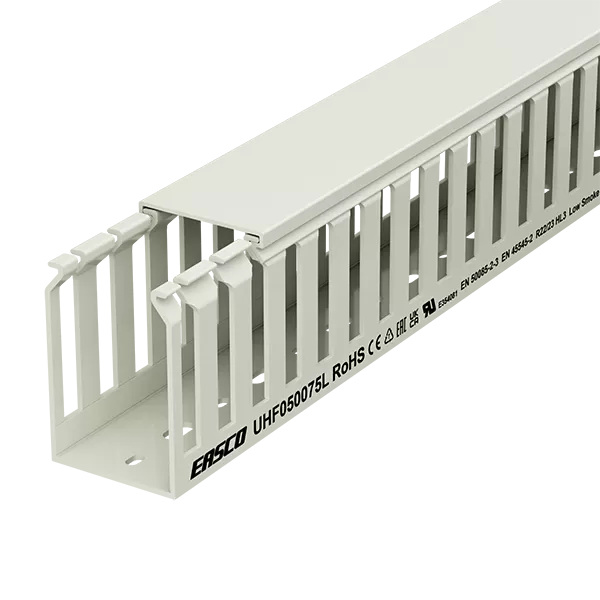
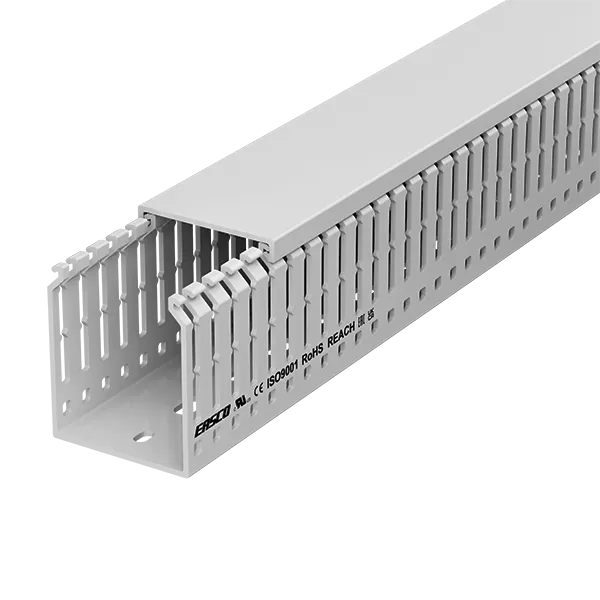
Halogen free cable duct is a type of cable management channel manufactured from materials that contain no chlorine, fluorine, bromine, or iodine. When exposed to fire, it emits minimal toxic smoke and corrosive gases, significantly improving evacuation safety and protecting sensitive electronic equipment. This is critical for public buildings (airports, hospitals), data centers, mass transport systems, and offshore installations where fire safety regulations are stringent.
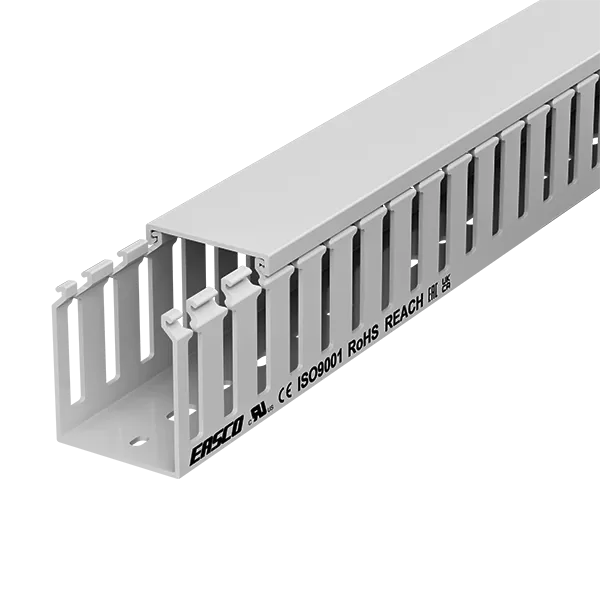
PVC (Polyvinyl Chloride) wiring ducts offer several advantages: excellent cost-effectiveness, good impact resistance, ease of cutting/snapping, and inherent flame retardancy. However, limitations include: emission of toxic and corrosive hydrogen chloride gas when burned and reduced flexibility in cold temperatures. PVC ducts remain ideal for general industrial panels, commercial buildings, and cost-sensitive applications not requiring the highest fire safety standards.
How do I choose between halogen free wiring duct and standard PVC duct for my project?
The choice between halogen free wiring duct and standard PVC comes down to safety regulations and application environment.
Choose Halogen Free for: Projects governed by IEC 60754, EN 45545 (railways), or NFPA 130, confined/public spaces, and installations with sensitive electronics.
Choose Standard PVC for: Well-ventilated industrial panels, general machinery wiring, and projects with tight budget constraints where halogen-free mandates do not apply.
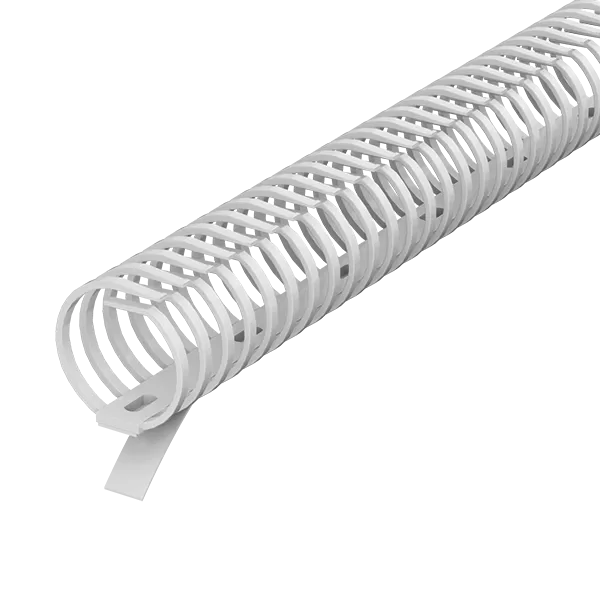
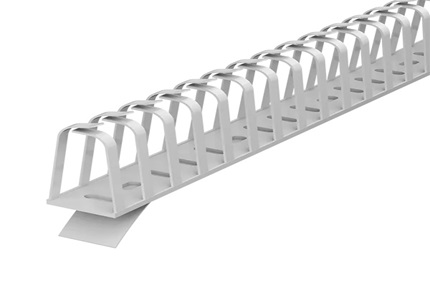
The size of the wiring duct depends on the number and size of the cables you need to organize. Consider the cross-sectional area and ensure there is enough space for future cable additions. PVC wiring ducts, flexible wiring ducts, or any other wiring duct must also allow for bends or turns in the cable path, as these can require more space. It’s advisable to consult the manufacturer’s guidelines and use sizing charts to ensure optimal fit and performance.
Proper ventilation is crucial for managing heat dissipation in wiring ducts. Use slotted ducts to allow air circulation and prevent overheating. Ensure that the ducts are not overfilled to maintain airflow. Additionally, consider the ambient temperature and the heat generated by the cables themselves. In high-heat environments, you may need to use wiring ducts made from materials with better thermal properties or incorporate additional cooling mechanisms.
Regularly inspect the ducts for any signs of damage or wear. Ensure that the covers are securely in place and that there are no obstructions or excessive dust accumulation. Clean the ducts periodically to remove dust and debris, which can impede airflow and cause overheating. Also, check for any loose or frayed cables and secure them properly. Regular maintenance helps in prolonging the life of the wiring ducts and ensures safety and efficiency.
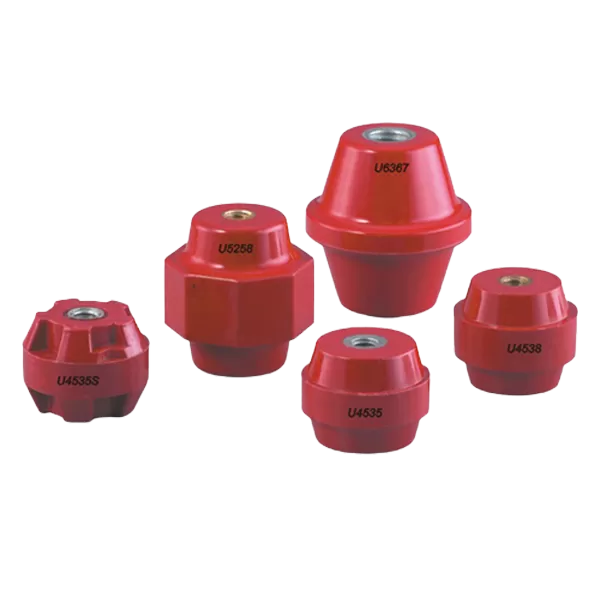
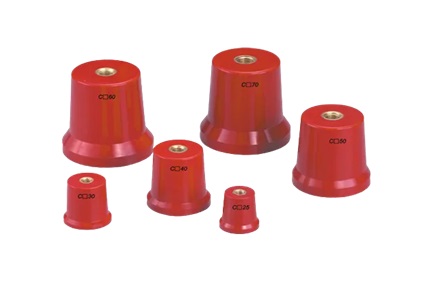
The voltage and current ratings for bus bar insulators vary significantly depending on their type and design. Common voltage ratings can range from a few kilovolts (kV) to several hundred kV, ensuring they can handle various electrical loads. Similarly, current ratings can range from a few hundred amperes to several thousand amperes, accommodating different levels of electrical current. These ratings are crucial for ensuring the safe and efficient operation of electrical systems, preventing overloads and electrical failures in bus bar insulators.
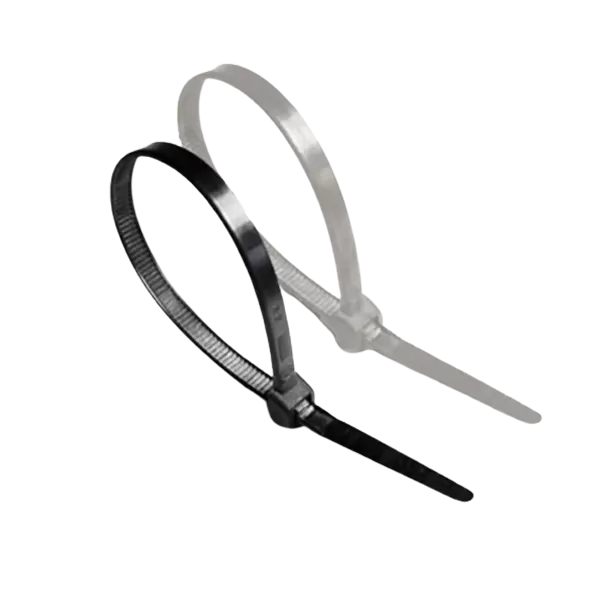
Standard nylon cable ties are designed to withstand a wide range of temperatures, typically from -40°F to 185°F (-40°C to 85°C). This makes them suitable for various indoor and outdoor applications. For environments that require higher temperature resistance, we offer specialized cable ties made from materials such as stainless steel or heat-stabilized nylon, which can endure even more extreme conditions. These specialized options ensure that our cable ties can meet the demands of any application, providing reliable performance and durability.
Kabel Duct is the German term for cable duct or wiring duct, widely used in European markets and technical specifications. It refers to the same product category: channels with a snap-on lid for organizing and protecting wires and cables. There is no technical difference; the term indicates compliance with DIN/VDE standards commonly required in German-speaking and other European countries.
Key standards for verifying halogen free cable duct performance include:
IEC 60754-1 & -2: Test on gases evolved during combustion (acid gas generation & conductivity).
EN 45545-2: Fire protection for railway vehicles (specifies toxicity index).
NFPA 130: Standard for fixed guideway transit and passenger rail systems.
UL 94 V-0: Flammability rating, often required alongside halogen-free properties.
Products should carry relevant certification marks from bodies like UL, CSA, or VDE.
Standard PVC wiring ducts are not recommended for prolonged outdoor or UV-exposed use unless specifically marked as "UV-resistant" or "for outdoor use". Standard PVC can degrade, become brittle, and discolor when exposed to sunlight. For such applications, look for ducts made from UV-stabilized PVC, polycarbonate (PC), or fiberglass-reinforced polyester.
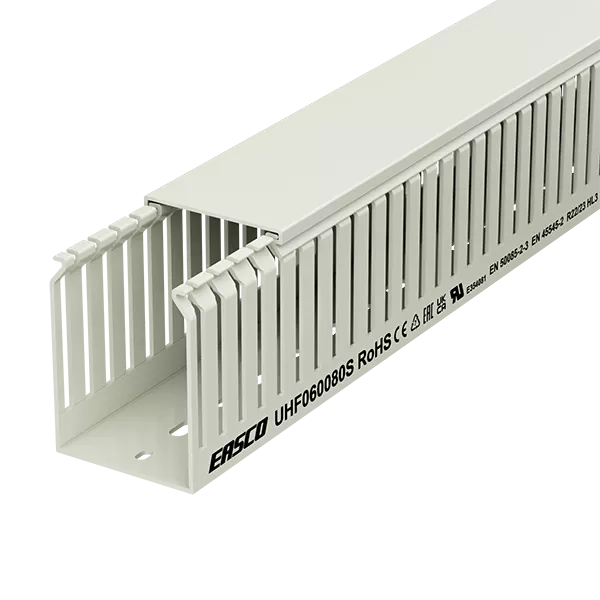
Wiring ducts come in a standardized range of sizes, typically measured by internal dimensions (height x width) and length. Common internal sizes range from 10mm x 10mm for small control wiring to 100mm x 50mm or larger for power distribution. They are sold in standard 2-meter lengths and are available in perforated (for easy mounting and ventilation) and solid-back (for complete cable isolation) styles.
For a secure installation:
Plan Layout: Sketch the cable route before cutting.
Cutting: Use a hacksaw or specialized duct cutter for clean edges; file burrs.
Mounting: Secure the base channel with self-adhesive backing (for light duty) or screws/bolts through mounting feet (for permanent, vibration-resistant installation).
Routing Cables: Lay cables neatly, avoiding overfilling (max 50-60% fill ratio is a good practice).
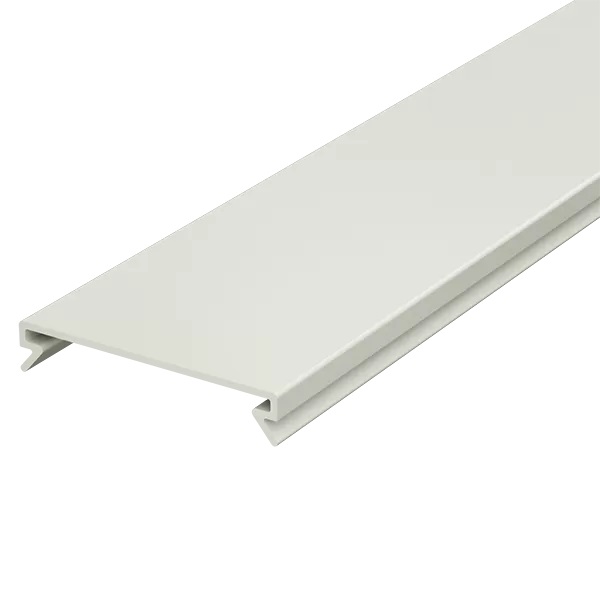
Snap-on Lid: Secure the lid along its entire length. For halogen free wiring duct, ensure the lid material matches the base's fire safety rating.
Common materials for halogen free wiring ducts include:
Polypropylene (PP): Good chemical resistance, low cost, and naturally halogen-free.
Polyethylene (PE): Excellent flexibility and impact resistance.
Polyamide (PA / Nylon): High mechanical strength and temperature resistance.
Halogen-Free Flame Retardant (HFFR) Compounds: These are often proprietary blends of the above polymers with mineral-based flame retardants (like aluminum trihydroxide) to achieve the required fire performance.
Yes. Standard PVC wiring ducts typically have a continuous operating temperature range of -5°C to +70°C. Many halogen free wiring ducts made from materials like polypropylene or polyamide can offer wider or higher ranges, such as -25°C to +105°C, making them suitable for more demanding industrial environments. Always check the specific product datasheet.
A basic toolkit includes:
Measuring Tape & Marker
Cutting Tool: Hacksaw, PVC/plastic cutter, or miter saw for large batches.
Filing Tool: To deburr cut edges and prevent cable damage.
Screwdriver or Drill for screw-mounting types.
Pliers or a Lid Removal Tool for easy lid opening on tight-packed ducts.
Specialized corner pieces, T-pieces, and end caps are also available for a finished look.
Yes, wiring ducts are excellent for organizing data cables. Key considerations:
Bend Radius: Ensure the duct size and layout respect the cable's minimum bend radius (critical for Cat6/6A, fiber).
Separation: Use separator inserts within the duct to isolate power and data cables, minimizing EMI/RFI interference.
EMI Shielding: For very sensitive signals, consider metallic or static-dissipative ducts.
Fill Ratio: Overfilling can cause crosstalk and performance degradation in data cables.
High-quality Kabel Duct meeting VDE, DIN, and IEC standards can be sourced from specialized electrical wholesalers, online industrial suppliers, and directly from manufacturers like us at WiringDuct.com. Ensure the product is marked with relevant certification logos and request the certificate of compliance for your project documentation, especially for public tenders in the EU.
There is no single universal rule, as it depends on cable diameter and flexibility. A common professional guideline is the "50% fill rule" – the total cross-sectional area of all cables should not exceed 50% of the duct's internal area. More precisely, refer to manufacturer-provided cable capacity tables which list the maximum number of cables of certain diameters (OD) that fit neatly into each duct size.
Yes, as a professional manufacturer, we offer extensive customization:
Custom Colors: Match corporate colors or functional coding (e.g., red for safety circuits).
Hot Stamping or Printing: Add part numbers, company logos, or directional markers.
Cut-to-Length: Pre-cut pieces to your specified dimensions, reducing on-site waste and labor.
Custom Profiles: Design of non-standard sizes or shapes for unique applications. Contact our sales team with your project requirements.