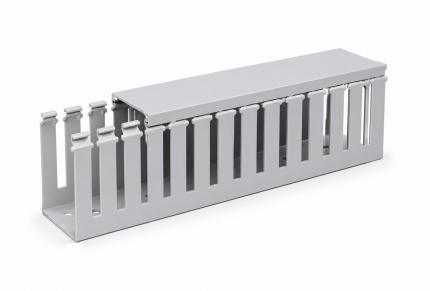
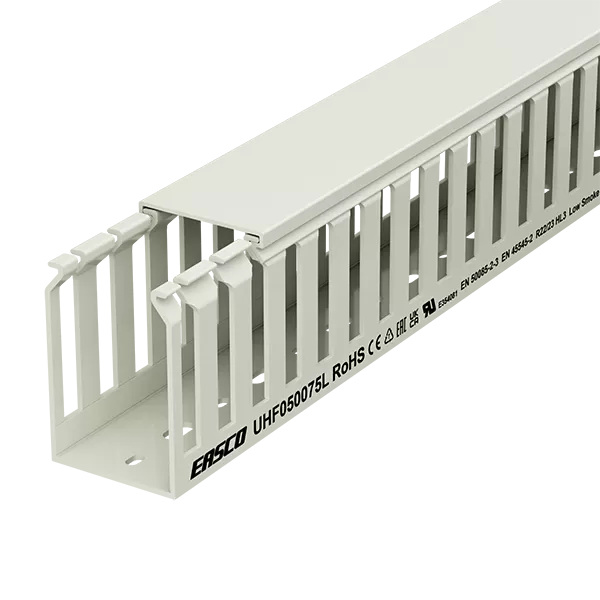
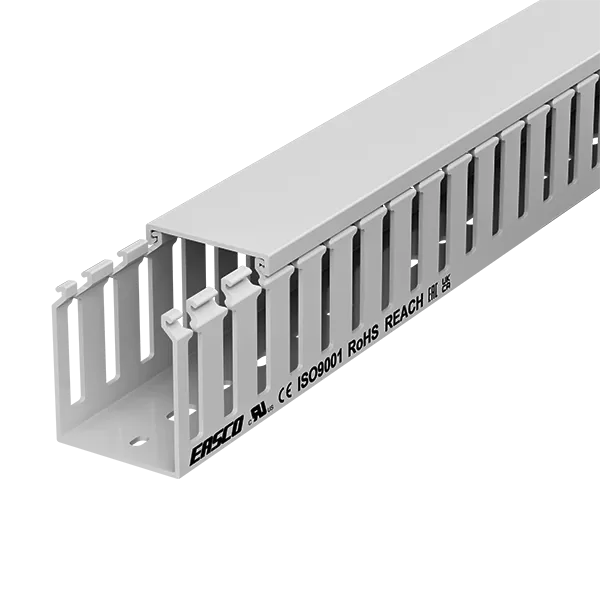
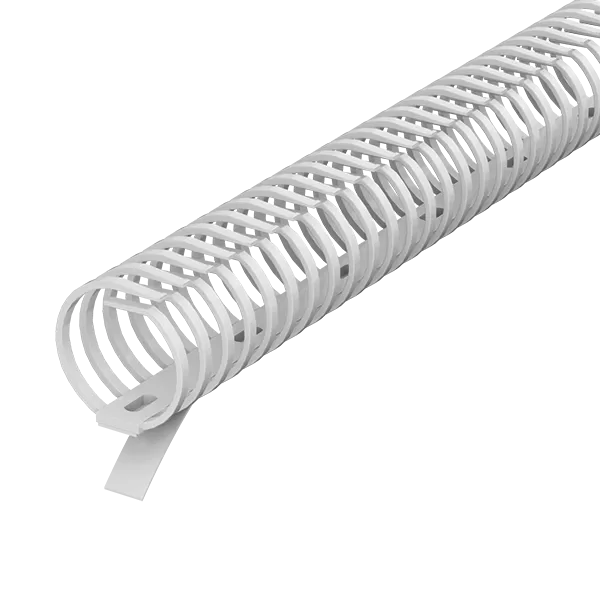
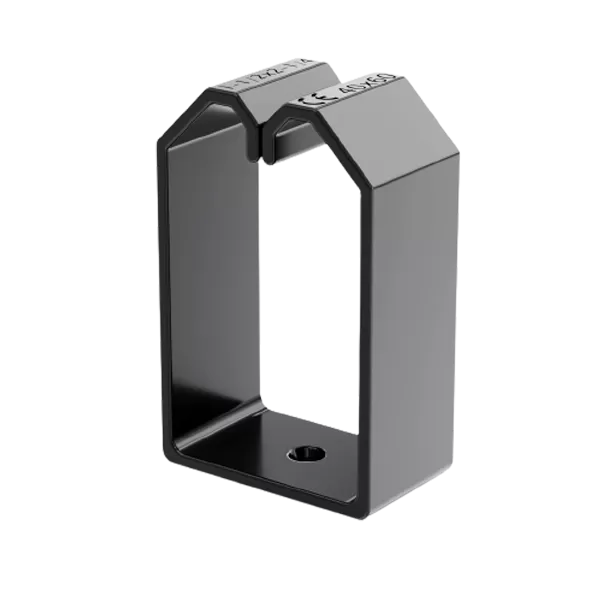
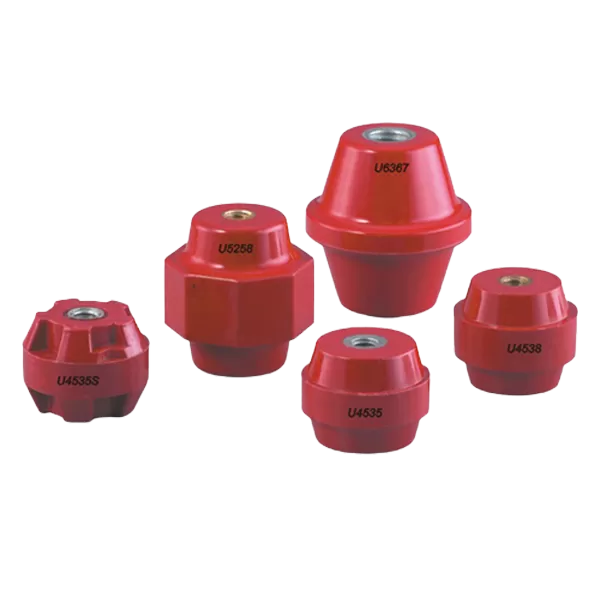
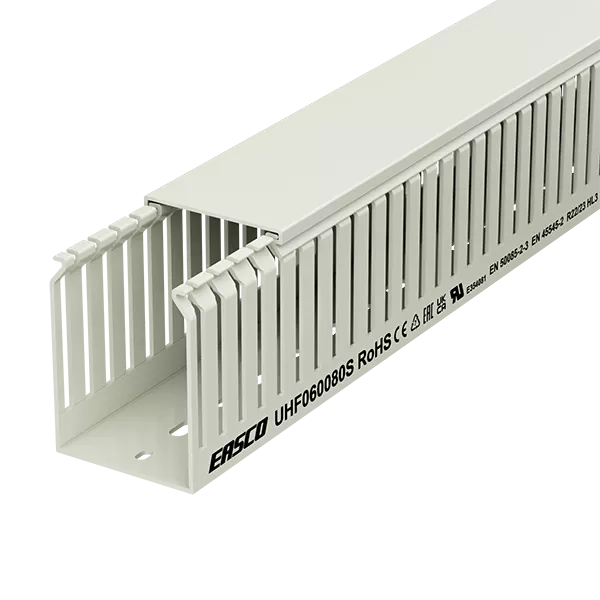
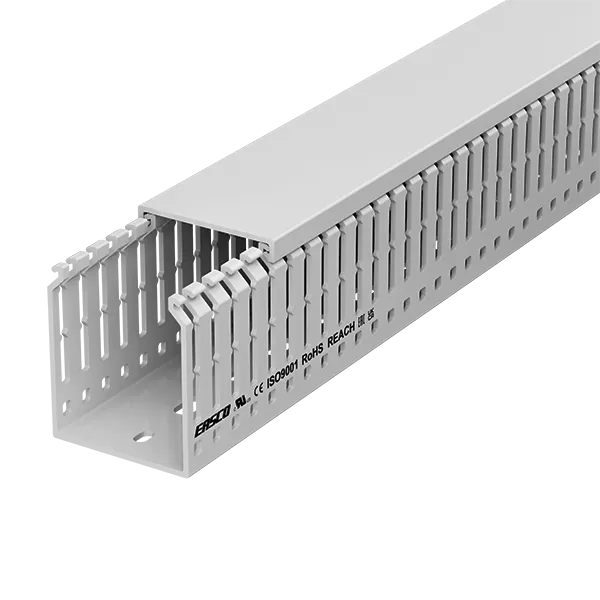
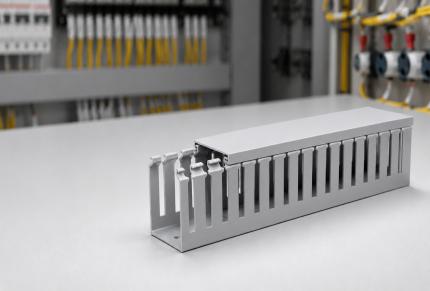
In modern electronic equipment, the need for organized, safe, and efficient cable management has become more important than ever. With complex devices integrating multiple components and high-density wiring systems, proper routing of cables ensures not only performance but also safety and longevity of equipment. Flexible cable ducting has emerged as a reliable solution, offering superior adaptability, protection, and convenience for electronic devices across a wide range of industries. As the demand for compact yet powerful electronic equipment increases, the use of flexible cable ducting is now considered indispensable.
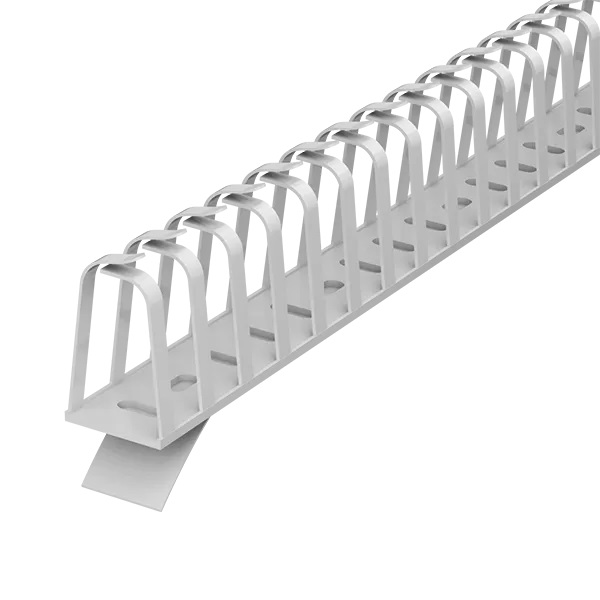
Flexible cable ducting provides an essential function by protecting cables from mechanical stress, bending, abrasion, and external interference. In electronic equipment, where space is often limited and wiring is complex, ducting systems enable efficient cable routing while reducing the risk of entanglement and signal disruption. The flexibility of this ducting makes it especially valuable in equipment that requires frequent movement, such as robotics, automated machinery, and medical devices. By maintaining structural integrity and preventing wear and tear, flexible cable ducting significantly extends the life of electronic systems while ensuring stable electrical connections.
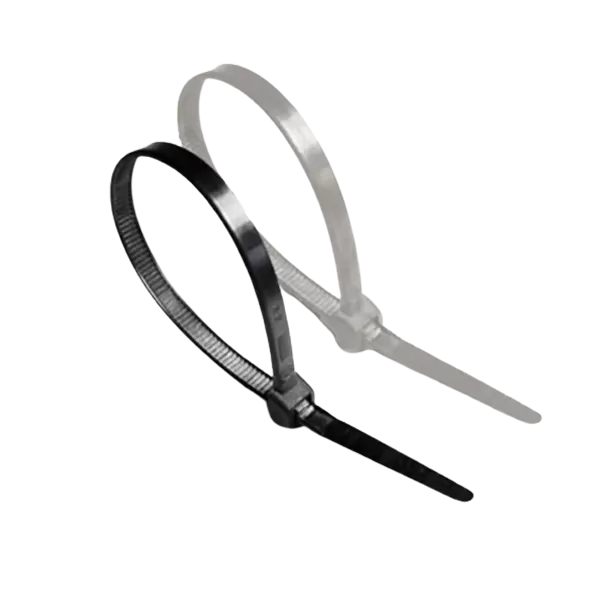
While traditional cable ties, rigid conduits, or open routing methods are still used in some applications, they often lack the adaptability and long-term efficiency that flexible cable ducting provides. The following table highlights the key differences:
Aspect | Flexible Cable Ducting | Traditional Cable Management |
Flexibility | Highly adaptable to tight spaces and bends | Limited flexibility with rigid structures |
Protection | Shields cables from abrasion, dust, and impact | Minimal protection, cables exposed |
Cable Organization | Ensures clean and organized wiring layouts | Risk of tangled or scattered wiring |
Maintenance | Easy to manage and replace cables when needed | Time-consuming and labor-intensive |
Application Range | Suitable for dynamic and compact environments | Restricted mainly to static installations |
This comparison demonstrates why flexible cable ducting is becoming the preferred choice for engineers and manufacturers in the electronics industry, offering long-term reliability and easier maintenance.

The application of flexible cable ducting in electronic equipment is vast, spanning multiple sectors. In consumer electronics, it provides clean wiring pathways that enhance device reliability and user safety. In industrial automation, it protects cables in machinery that undergo constant motion, reducing downtime caused by damaged wiring. In medical equipment, where precision and safety are crucial, flexible ducting ensures that sensitive cables remain intact and insulated from interference. Renewable energy systems, such as solar and wind power equipment, also rely on flexible cable ducting to manage high-density wiring efficiently while ensuring resilience against environmental stress. Through its adaptability and protective features, flexible cable ducting has become an integral part of modern electronics infrastructure.