Busbar insulators are essential components in electrical systems, serving a critical role in protecting electrical equipment and ensuring the overall safety of power distribution systems. Proper installation and regular maintenance of busbar insulators are fundamental for preventing electrical faults, minimizing risks, and extending the lifespan of the equipment. In this article, we will discuss how the installation and maintenance of busbar insulators contribute to the safety and reliability of electrical systems.
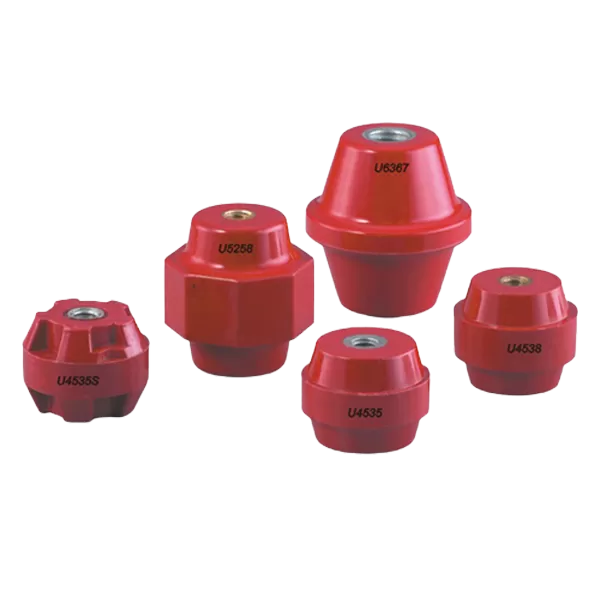
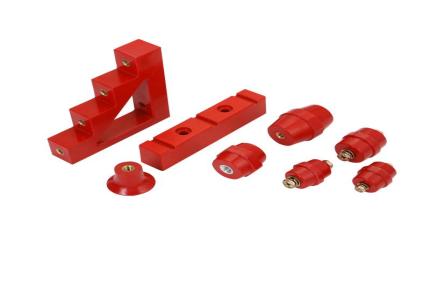
Busbar insulators are designed to support and electrically isolate busbars, which are used to conduct electricity within a power distribution system. The main function of these insulators is to prevent accidental short circuits and to protect the busbars from environmental factors such as moisture, dust, and physical damage. By insulating the busbars, these components ensure that electrical currents flow through the system without posing risks to personnel or damaging other electrical equipment.
Busbar insulators are commonly made from materials such as porcelain, glass, or high-quality polymer, each offering different advantages in terms of electrical insulation and mechanical strength. Depending on the system's voltage and environmental conditions, it is crucial to choose the right type of busbar insulator to ensure optimal performance and safety.
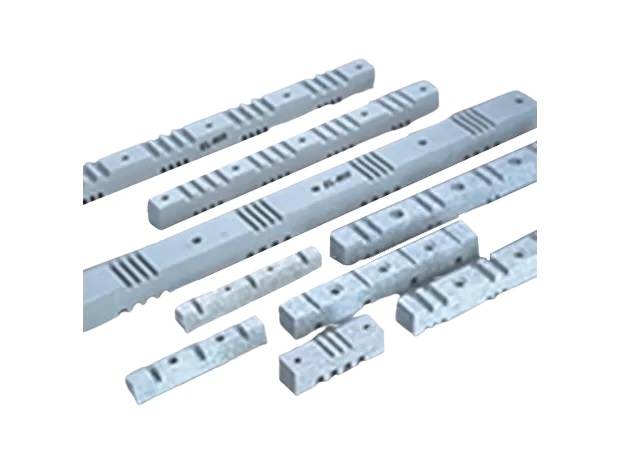
Correct installation of busbar insulators is critical to ensuring the safe and efficient operation of an electrical system. Improper installation can lead to system failures, electrical faults, and potential safety hazards. To begin with, it is important to select busbar insulators that are compatible with the specific type of busbar and the electrical system's requirements. The insulators must fit securely around the busbars, with no gaps or loose fittings that could cause instability or exposure to electrical currents.
During the installation process, attention should be given to factors such as positioning and alignment. The busbar insulators should be positioned in such a way that they are evenly distributed along the length of the busbar, minimizing stress on any single point. Additionally, all connections should be tightly secured, and the insulators should be checked for any signs of cracks, damage, or defects before being installed.
Routine maintenance of busbar insulators is just as important as proper installation. Over time, environmental factors such as temperature fluctuations, humidity, and pollutants can affect the performance of the insulators, potentially leading to degradation and failure. Regular inspections are essential for identifying early signs of wear and tear, such as surface cracks, discoloration, or physical damage. If any issues are detected, it is crucial to replace the affected insulators immediately to prevent further damage or electrical hazards.
Additionally, cleaning busbar insulators on a regular basis is essential to maintain their insulating properties. Dust, dirt, and moisture buildup on the insulators can compromise their effectiveness, increasing the risk of electrical leakage or short circuits. The cleaning process should be done with care to avoid damaging the insulators. It is recommended to use non-abrasive cleaning agents and soft cloths to wipe down the surfaces.
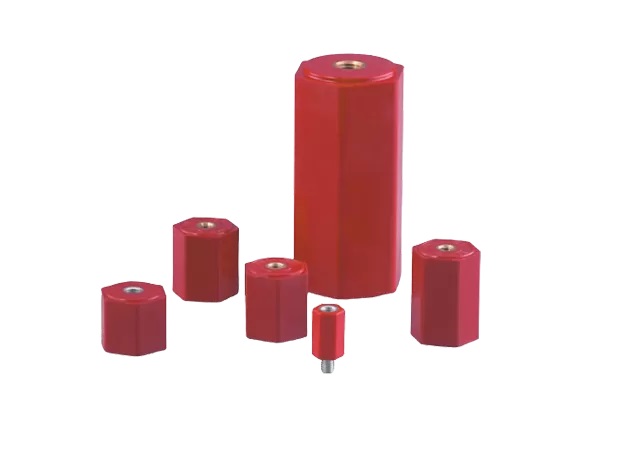
When maintaining busbar insulators, several key factors need to be considered to ensure the system remains safe and reliable. First, the environmental conditions surrounding the busbar installation should be evaluated regularly. In areas with high humidity, for example, moisture can cause insulation failure, so additional protective measures may be necessary. In harsh outdoor environments, using polymer-based insulators may offer greater resistance to environmental damage compared to traditional porcelain insulators.
Another important consideration is the load and stress on the busbars. Overloading the system can cause excessive strain on the insulators, leading to premature wear and failure. Regular monitoring of the electrical load will help prevent overloading and ensure that the busbar insulators are operating within safe limits.
Proper installation and maintenance of busbar insulators are crucial for maintaining the safety, efficiency, and longevity of electrical systems. By ensuring that insulators are installed correctly, regularly inspected for damage, and cleaned to prevent the buildup of contaminants, businesses can minimize the risk of electrical faults and avoid costly repairs. Busbar insulators play a vital role in the protection of electrical equipment, and by following best practices for installation and maintenance, you can enhance the overall reliability and safety of your power distribution system.