Industrial control panels, automation cabinets, and electrical enclosures require organized, safe, and scalable cable routing. EASCO PVC wiring ducts provide an efficient solution for separating, protecting, and managing cables inside electrical systems, improving maintenance efficiency while enhancing overall safety and reliability.
Whether you are designing a new automation panel or upgrading an existing installation, selecting the right PVC cable duct can significantly reduce installation time and simplify future modifications.
Industrial panels often contain dozens or even hundreds of conductors. Without proper cable organization, wiring becomes difficult to trace, maintain, and troubleshoot.
EASCO PVC wire duct systems are specifically designed to:
Organize power and signal cables systematically.
Protect cables from abrasion and mechanical damage.
Improve airflow inside electrical cabinets.
Simplify maintenance and future expansion.
Enhance compliance with industrial electrical standards.
Compared with unmanaged wiring, professionally installed PVC wiring ducts significantly improve control panel reliability and reduce downtime.
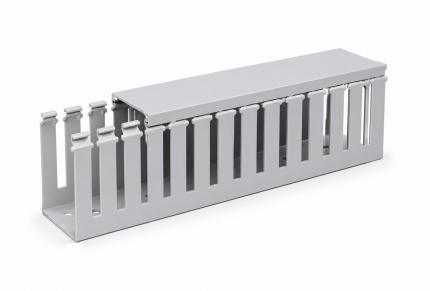
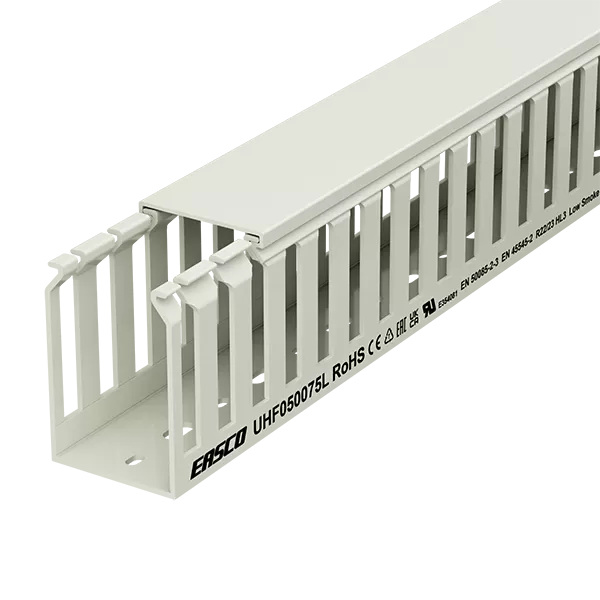
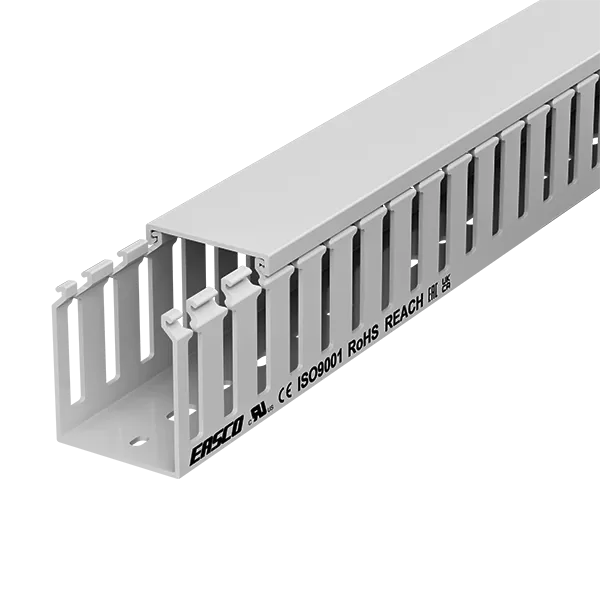
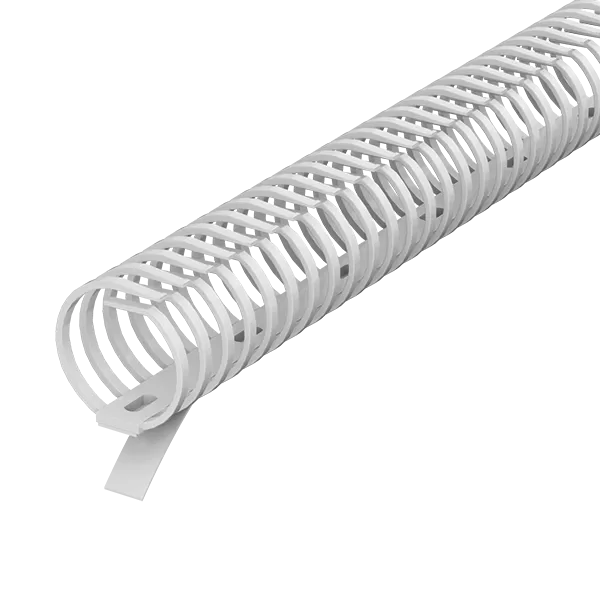
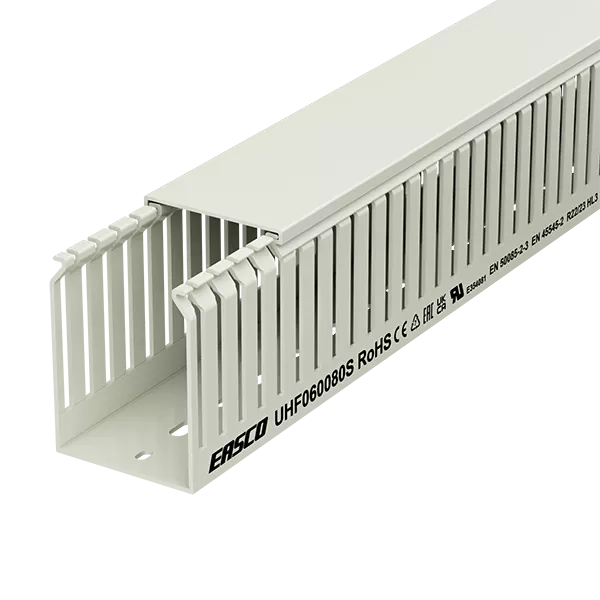
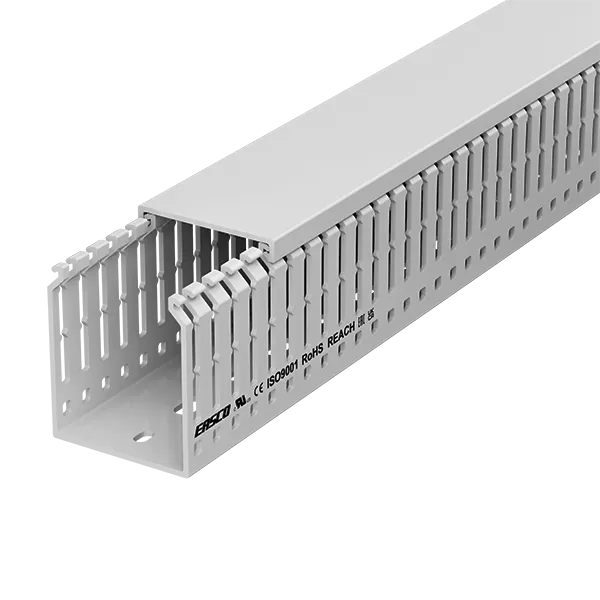
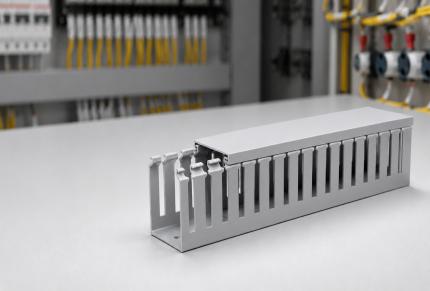
A PVC wiring duct is a slotted or solid-channel cable management component manufactured from high-quality PVC material. It is widely used inside switchboards, electrical cabinets, automation systems, and distribution panels.
Common industry terms include:
kabel duct
kabelduct
ducting kabel
PVC cable duct
cable duct PVC
wiring cable duct PVC
ducting cable PVC
Although terminology varies across regions, all refer to cable routing systems designed to keep electrical wiring neat, secure, and accessible.
Pre-slotted sidewalls allow installers to route branch wires quickly without additional drilling or modifications.
Organized cables enable maintenance personnel to identify and trace circuits rapidly, minimizing machine downtime.
Power, communication, and control cables can be separated into dedicated channels, reducing electromagnetic interference (EMI).
Additional wiring can be added without dismantling existing cable bundles, making expansion projects much easier.
Selecting the correct size depends on cable quantity, conductor diameter, fill ratio, and future expansion requirements.
The kabel duct PVC 25x25 size is commonly used for:
Sensor wiring
Small control circuits
Compact junction boxes
Low-density cable routing
This size is ideal when panel space is limited.
A kabel duct PVC 50x50 configuration is suitable for:
Medium-sized control panels
PLC cabinets
Motor control systems
General industrial applications
It provides a balanced solution between cable capacity and cabinet space utilization.
For large automation systems, kabel duct PVC 100x100 offers substantial cable capacity and is frequently used in:
Main distribution cabinets
Large switchgear assemblies
Industrial automation lines
High-density control panels
Larger ducts also provide greater flexibility for future cable additions.
PVC remains one of the most widely used materials for industrial cable management due to several advantages.
High-quality cable duct PVC products are manufactured using flame-retardant compounds that improve electrical safety.
Unlike metal alternatives, PVC duct cable systems resist corrosion, moisture, oils, and many industrial chemicals.
Installers can cut, drill, and mount PVC cable duct products easily, reducing labor time.
PVC provides excellent electrical insulation properties, helping improve overall system safety.
Slotted ducts feature finger openings along both sides.
Advantages include:
Easier wire entry and exit
Better cable organization
Simplified maintenance
Preferred for control panels
Most industrial applications utilize slotted wiring cable duct PVC systems.
Solid wall designs provide enclosed cable protection and are often used when:
Dust protection is required.
Cable exposure must be minimized.
Decorative installations are preferred.
Examples include PVC skirting duct applications used in commercial buildings and office environments.
While standard PVC wiring ducts are primarily designed for indoor electrical enclosures, specialized UV-resistant products can be used in protected industrial environments.
For outdoor installations, factors such as:
UV exposure
Temperature fluctuations
Moisture ingress
Chemical exposure
should be carefully evaluated before selecting the duct system.
Industry best practice recommends maintaining approximately 40% to 60% fill capacity within a PVC cable duct.
Leaving spare capacity offers several benefits:
Improved heat dissipation
Easier cable identification
Simplified maintenance
Room for future expansion
Overfilled ducts may restrict airflow and complicate servicing operations.
EASCO designs its PVC wiring ducts to meet the demanding requirements of modern industrial applications.
Key features include:
Precision-manufactured dimensions.
Smooth edges to protect cable insulation.
High-impact, flame-retardant PVC material.
Wide range of standard sizes.
Easy cutting and installation.
Consistent quality for large-scale projects.
From compact kabel duct PVC 25x25 installations to high-capacity kabel duct PVC 100x100 applications, EASCO offers comprehensive cable management solutions for automation, electrical distribution, and industrial control systems.
A PVC wiring duct organizes and protects electrical cables inside control panels, reducing clutter and simplifying maintenance.
The correct size depends on cable quantity, conductor diameter, and future expansion requirements. Always allow additional capacity for future wiring.
Industrial-grade PVC wiring ducts are typically manufactured with flame-retardant materials to improve electrical safety.
Yes. Properly installed PVC wiring ducts can be reopened and reused during maintenance, retrofitting, or equipment upgrades.
Efficient cable management directly impacts control panel reliability, maintenance efficiency, and operational safety. EASCO PVC wiring ducts provide a practical, durable, and scalable solution for organizing industrial wiring systems. By selecting the appropriate kabel duct, manufacturers and panel builders can achieve cleaner installations, faster troubleshooting, and long-term operational performance.