Modern power distribution systems depend on reliable insulation to ensure electrical safety, mechanical stability, and long-term operational efficiency. EASCO bus bar insulators are engineered to provide superior dielectric performance, high mechanical strength, and excellent resistance to heat and environmental stress, making them an ideal solution for switchgear, panel boards, distribution cabinets, and industrial power systems.
Whether you are searching for dependable busbar insulator manufacturers, experienced busbar insulator suppliers, or a trusted busbar support insulator manufacturer, selecting high-quality insulation components is essential to maintaining safe and uninterrupted power distribution.
A busbar insulator performs two essential functions:
Electrically isolates energized conductors from grounded structures.
Mechanically supports busbars under static and dynamic loads.
Without properly designed electrical bus bar insulators, systems are vulnerable to:
Short circuits
Electrical flashovers
Mechanical deformation caused by electromagnetic forces
Equipment failure during fault conditions
Reduced the service life of switchgear and panels
High-performance bus insulators ensure safe conductor spacing while maintaining structural integrity under demanding operating conditions.
Understanding different busbar insulator types helps engineers select the most suitable solution for specific applications.
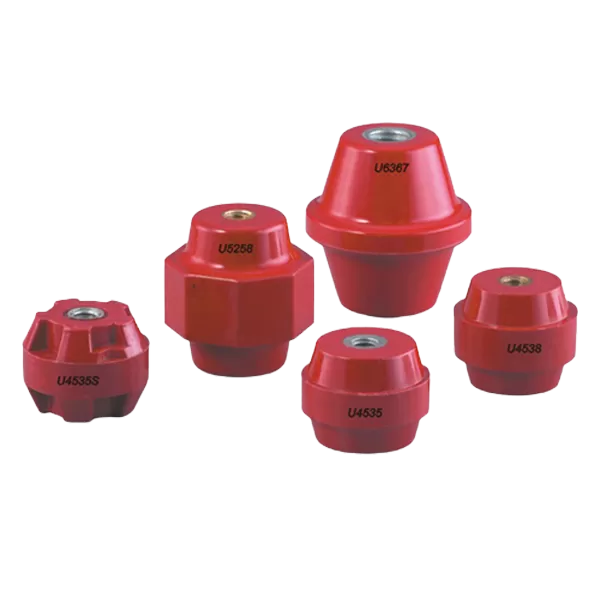
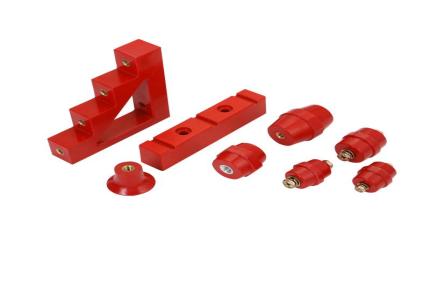
A bus support insulator is the most commonly used configuration in low- and medium-voltage systems. It supports rigid conductors while maintaining electrical isolation.
Typical applications include:
Switchgear assemblies
Power distribution panels
Control cabinets
Motor control centers
Standoff designs provide elevated mounting positions for conductors. These are frequently used as an insulator support for busbar installations where precise clearance distances are required.
Key features:
High mechanical strength
Excellent creepage distance
Compact installation footprint
A panel busbar insulator is specifically designed for electrical panels and distribution boards.
Common applications:
LV switchboards
Distribution cabinets
Industrial automation panels
UPS systems
Ground bar insulators isolate grounding conductors from metallic enclosures when system design requires controlled grounding arrangements.
Applications include:
Telecom cabinets
Data centers
Power control rooms
Sensitive electronic equipment
A high-quality busbar support insulator significantly improves system reliability by:
Proper insulation prevents accidental contact between energized conductors and grounded metal parts.
During fault conditions, busbars experience substantial electrodynamic forces. Robust support insulators maintain conductor alignment and minimize mechanical damage.
Industrial power systems generate considerable heat. Premium insulation materials maintain dielectric properties under elevated temperatures.
Durable insulation components minimize replacement frequency and reduce system downtime.
As a professional busbar support insulator manufacturer, EASCO designs products to meet stringent industrial requirements for both electrical and mechanical performance.
Material selection directly affects insulation performance, mechanical strength, and service life.
EASCO bus bar insulator products are manufactured using high-grade engineering materials, including:
Benefits include:
High dielectric strength
Excellent flame resistance
Good mechanical performance
Cost-effective manufacturing
Widely used in industrial switchgear because of:
Superior arc resistance
Excellent dimensional stability
High tracking resistance
Preferred for demanding applications requiring:
Exceptional insulation performance
High compressive strength
Excellent environmental resistance
These materials ensure long-term reliability for every insulator for busbar application.
Many engineers and purchasers confuse a busbar isolator with a busbar insulator, although they serve completely different functions.
| Feature | Busbar Insulator | Busbar Isolator |
|---|---|---|
| Purpose | Provides insulation and mechanical support | Disconnects electrical circuits |
| Electrical Operation | Passive component | Switching device |
| Moving Parts | No | Yes |
| Primary Function | Isolation and support | Circuit isolation for maintenance |
An isolator busbar arrangement generally incorporates disconnect switches, while bus bar insulators remain fixed structural components that continuously provide insulation.
Both components are essential but perform different roles in a power distribution system.
When selecting an appropriate bus bar insulator, engineers should consider several factors.
Insulator voltage ratings must exceed system operating voltage.
The insulator must withstand:
Busbar weight
Electrodynamic short-circuit forces
Installation stress
Polluted or humid environments require longer creepage distances to prevent surface tracking.
Industrial applications often demand materials capable of continuous operation under elevated temperatures.
Consider exposure to:
Moisture
Dust
Chemicals
UV radiation
Salt spray
Working with experienced busbar insulator suppliers ensures proper product selection for specific operating conditions.
EASCO has established itself among leading busbar insulator manufacturers by delivering high-performance insulation solutions for global industrial markets.
EASCO employs precision molding processes and rigorous quality control systems to ensure consistent product performance.
Available products include:
Support insulators
Standoff insulators
Panel insulators
Customized insulation solutions
Grounding support insulators
Each electrical bus bar insulator undergoes comprehensive testing for:
Dielectric strength
Mechanical strength
Dimensional accuracy
Thermal resistance
Custom dimensions, mounting configurations, and performance specifications are available for OEM and industrial applications.
EASCO insulation products are widely used across numerous industries, including:
Low-voltage switchgear
Medium-voltage switchgear
Power distribution cabinets
Renewable energy systems
UPS systems
Energy storage systems
Industrial automation equipment
Data centers
Railway electrical systems
Telecommunications infrastructure
These applications demand dependable bus support insulator performance under continuous operational stress.
A busbar insulator electrically isolates conductors while mechanically supporting busbars inside electrical equipment, preventing short circuits and maintaining safe clearance distances.
BMC, DMC, and epoxy resin are among the most widely used materials due to their high dielectric strength, thermal resistance, and mechanical durability.
High-quality industrial insulators can operate reliably for decades when installed correctly and used within their specified electrical and mechanical ratings.
Yes. Many professional busbar insulator manufacturers offer customized dimensions, mounting styles, voltage ratings, and material options to meet specific application requirements.
Reliable insulation is fundamental to safe and efficient power distribution. High-quality bus bar insulators protect equipment, improve system stability, and reduce maintenance costs throughout the service life of electrical installations.
As an experienced busbar support insulator manufacturer and trusted partner among global busbar insulator suppliers, EASCO delivers robust insulation solutions engineered for demanding industrial applications. From standard support designs to customized insulation systems, EASCO products help ensure long-term safety, reliability, and performance in modern power distribution networks.